

GC/MS Testing: The Standard Most Oil Brands Skip and Why Edens Garden Has Run It for Years

If you've spent any time researching Essential Oils, you've probably heard aromatherapists recommend buying only from companies that provide GC/MS reports. But what exactly is a GC/MS report, and why does it matter?
The answer is simple: a GC/MS report is one of the most important tools for verifying an Essential Oil's quality, purity, authenticity, and safety. It gives you confidence that the bottle you're using contains exactly what nature intended, without unwanted additives or contaminants.
At Edens Garden, transparency has always been one of our core values. That's why we provide GC/MS reports for all of our single Essential Oils, allowing you to make informed decisions about the products you bring into your home.
Let's explore why GC/MS testing is so important and how understanding these reports can help you become a more knowledgeable Essential Oil user.
What Is a GC/MS Report?
Gas chromatography mass spectrometry (GC/MS) is an advanced laboratory testing method that identifies the chemical constituents found within a substance, including Essential Oils.
Every Essential Oil contains dozens, and sometimes hundreds, of naturally occurring aromatic compounds. A GC/MS analysis separates these compounds and measures their individual percentages, creating a detailed chemical fingerprint unique to that oil.
Beyond identifying naturally occurring constituents, GC/MS testing can also detect:
- Adulterants
- Synthetic ingredients
- Carrier Oils
- Pesticides
- Contaminants
- Other substances that shouldn't be present
This level of testing helps verify that an oil is both authentic and unadulterated.
Interestingly, every Essential Oil has its own unique chemical profile. Some oils are relatively simple. For example, Birch essential oil contains only about eight detectable constituents. Others, such as Oud essential oil, contain well over 100 individual compounds. These naturally occurring variations are part of what makes each Essential Oil unique and contribute to its aroma and properties.
Why Are GC/MS Reports Important?
For reputable Essential Oil companies, GC/MS testing is much more than a marketing claim–it's an essential part of quality assurance.
While the charts and chemical names found on a GC/MS report can seem overwhelming, experienced aromatherapists and quality assurance specialists know exactly what to look for.
Verifying Essential Oil Quality
One of the primary purposes of GC/MS testing is determining whether an Essential Oil falls within the expected chemical profile for that particular botanical species.
Experts compare the percentages of each constituent against established quality standards, such as ISO standards and trusted aromatherapy references, including the work of renowned aromatherapist Robert Tisserand.
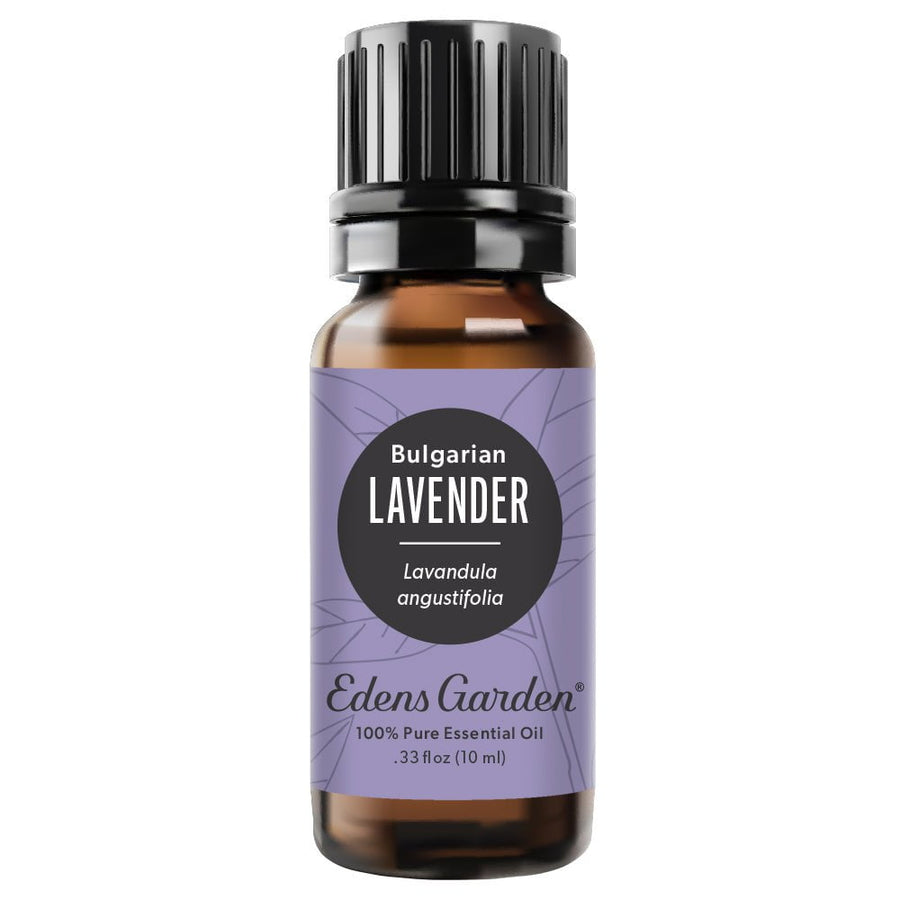
For example, a high-quality Lavender Bulgarian essential oil generally contains:
- 30-42% linalyl acetate
- 23-34% linalool
- 3-9% (Z)-β-ocimene
- When these constituent levels fall within accepted ranges, it's a strong indication that the oil is genuine and high quality.
Confirming Purity
Equally important is confirming an oil's purity.
A pure Essential Oil should contain only the naturally occurring compounds found in that botanical source. GC/MS testing helps identify substances that don't belong, including:
- Synthetic fragrance ingredients
- Phthalates
- Carrier Oils
- Pesticide residues
- Cheaper Essential Oils used to dilute more expensive oils
- Isolated aroma chemicals
Because adulteration isn't always detectable by scent alone, laboratory testing provides an additional layer of confidence for consumers seeking pure Essential Oils.
How GC/MS Reports Help You Use Essential Oils More Effectively
GC/MS reports aren't just useful for evaluating quality; they're also valuable educational tools.
Scientists have studied many of the major constituents found in Essential Oils to better understand their traditional uses, safety considerations, and aromatic characteristics.
For example:
- Cinnamaldehyde, a major constituent of Cassia and Cinnamon Bark essential oils, has been researched for its anti-inflammatory properties while also being recognized as skin-sensitizing at relatively low dilutions.
- d-Limonene, commonly found in many citrus Essential Oils, has been studied for its immunostimulant activity.
- Menthol, the primary constituent of Peppermint essential oil, is widely recognized for its cooling sensation and analgesic properties.
Understanding an oil's chemical makeup allows aromatherapists to recommend more appropriate dilution rates, application methods, and safety precautions.
Rather than relying solely on an oil's common name, experienced users often evaluate its constituent profile to better understand how it may be used within safe aromatherapy practices.
Why Transparency Matters
Not every Essential Oil company makes GC/MS reports readily available.
Providing these reports demonstrates a commitment to transparency and quality, allowing customers to see exactly what they're purchasing instead of relying solely on marketing claims.
At Edens Garden, we believe you deserve complete confidence in your Essential Oils. That's why every one of our single Essential Oils undergoes rigorous GC/MS testing, and those reports are made available so you can shop with greater peace of mind.
We believe that informed customers become empowered Essential Oil users.
Continue Learning About GC/MS Reports
If you're interested in understanding GC/MS reports beyond the basics, there are several excellent educational resources available.
Aromahead Component Database offers an extensive collection of researched therapeutic benefits and safety information for individual Essential Oil constituents. Although it's a paid resource, it's an excellent investment for students of aromatherapy.
Essential Oil University Component Database is a free resource that allows users to compare GC/MS reports across many different Essential Oils or search for oils containing specific constituents.
Finally, Essential Oil Safety (2nd Edition) by Robert Tisserand and Rodney Young remains one of the most trusted references in modern aromatherapy.[1] In addition to discussing constituent ranges for hundreds of Essential Oils, it provides comprehensive guidance on Essential Oil chemistry, safe use, contraindications, and best practices. If you only add one aromatherapy reference book to your library, this is an excellent choice.
The Bottom Line
Understanding GC/MS reports gives you a deeper appreciation for the science behind Essential Oils. These reports help verify an oil's quality, purity, authenticity, and safety while offering valuable insight into its chemical composition and responsible use.
Whether you're new to aromatherapy or have been using Essential Oils for years, learning how to read a GC/MS report can help you become a more informed and confident Essential Oil user.
At Edens Garden, we're proud to provide GC/MS reports for all of our single Essential Oils because we believe transparency builds trust. When you know exactly what's inside your bottle, you can enjoy your aromatherapy journey with greater confidence and peace of mind.
SOURCES:
-
Tisserand, Robert, and Rodney Young. Essential Oil Safety: A Guide for Health Care Professionals. 2nd ed., Churchill Livingstone/Elsevier, 2014.
Grab The Essentials Here:


About the Author, Bella Martinez
Bella Martinez is a Certified Aromatherapist, Natural Skincare Formulator and Edens Garden’s lead aromatherapist. An industry expert, Bella has spent years training and learning in the aromatherapy field, which she continues annually. Her passion is taking evidence-based aromatherapy and making it approachable for all.

Leave a comment (Comments will be approved before showing up)
2 comments
Diana Green
Where can I view the GCMC report for each oil?



Edens Garden
January 2, 2024 at 11:32 am
Hi Diana! Each oil’s GC/MS report is available on their individual product pages under “Reports.”