

AAA: How To Safely Use Essential Oils On Skin (Simple Rules)

Using Essential Oils on skin can be a powerful way to support your wellness routine–from soothing sore muscles to enhancing your skincare ritual. But because Essential Oils are highly concentrated plant extracts, knowing how to use them safely is key. This guide breaks down simple rules for topical Essential Oil use, including when to apply them, how to dilute them properly, and where to apply them for the best results.
What Are Essential Oils & Why Use Them Topically?
Essential Oils are concentrated aromatic compounds extracted from plants. Thanks to their small molecular size, they can penetrate the skin barrier and interact with the body in meaningful ways. This makes topical application of Essential Oils a popular method for:
- Supporting healthy skin
- Easing muscle and joint discomfort
- Reducing the appearance of blemishes and redness
-
Promoting relaxation and circulation
While Essential Oils can absorb into the bloodstream through the skin, they do so more gradually than inhalation, making topical use ideal for targeted, longer-lasting effects.
When to Use Essential Oils on Skin vs. Inhalation
Before applying Essential Oils, it’s important to determine whether topical application or inhalation is the better method.
Choose topical use when:
- You’re addressing localized concerns (muscle soreness, joint pain, skin issues)
- You want targeted relief in a specific area
- You’re incorporating oils into your skincare routine
Choose inhalation when:
- You’re dealing with congestion or respiratory support
- You want to support mood, focus, or energy
- You’re looking for sleep support or relaxation
Pro tip: Inhalation (like diffusing or direct inhalation) delivers Essential Oil molecules to the bloodstream more quickly, while topical application provides a slower, more sustained release.
Rule #1: Always Dilute Essential Oils
If you take one thing away from this guide, let it be this: never apply essential oils directly to skin without dilution.
Why is dilution important?
Pure essential oils are extremely potent. Applying them “neat” (undiluted) can lead to:[1]
- Skin irritation
- Sensitization over time
- Redness or burning
What to use for dilution:
Carrier Oils are the safest and most effective way to dilute Essential Oils. These are plant-based oils rich in fatty acids that help “carry” Essential Oils safely onto the skin. Popular options include:
- Coconut oil
- Jojoba oil
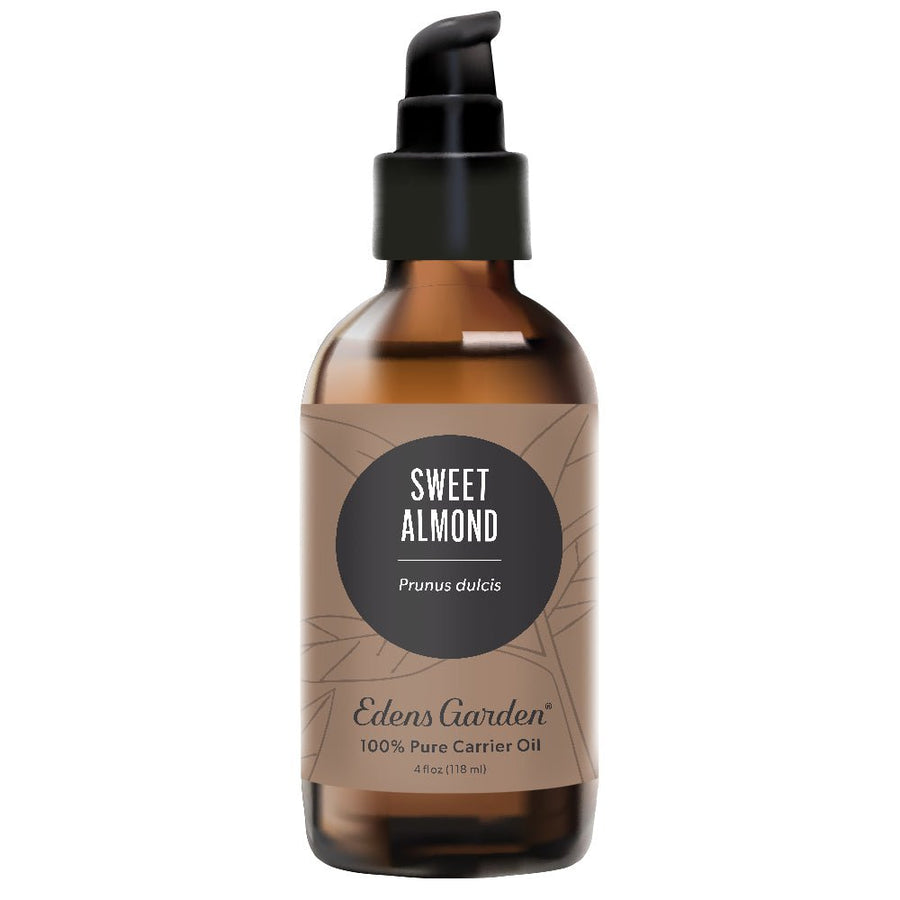
- Sweet Almond oil
- Avocado oil
Recommended dilution ratios:
- 1% dilution (gentle daily use, facial application, kids 2+): 1 drop per 1 teaspoon carrier oil
- 2–3% dilution (general adult use): 2-3 drops per teaspoon
- 5–10% dilution (short-term, targeted use like sore muscles)
Using proper dilution not only improves essential oil safety, but also enhances absorption and effectiveness.
Rule #2: Be Careful with Water-Based Dilution
A common misconception is that Essential Oils can simply be mixed with water, but oil and water don’t mix.
If you add Essential Oils directly to water:[2]
- Oil droplets remain undiluted
- These droplets can come into direct contact with skin
- This increases risk of irritation or sensitization
How to safely use Essential Oils in water-based products
To create a safe Essential Oil spray or mist, you’ll need:
- A solubilizer (to disperse oil evenly in water)
- A preservative (to prevent mold and bacteria growth)
Without these, DIY sprays can become unsafe quickly.
Rule #3: Use the Right Base Products
If you prefer not to use Carrier Oils alone, there are other safe options, but they must be chosen carefully.
Lotions & creams:
Only use unscented bases formulated for customization. Adding Essential Oils to regular store-bought lotions can disrupt their preservative system.
Body washes & shampoos:
Same rule applies. Use products designed to accept added ingredients.
Soap (easy option!):
Liquid castile soap is a great alternative because it naturally binds with both oil and water. This makes it one of the simplest ways to incorporate Essential Oils safely into body care.
Rule #4: Know Where to Apply Essential Oils
Where you apply Essential Oils matters just as much as how you apply them.
For targeted support
Apply directly to the area of concern:
- Sore muscles → massage into affected area
- Skin concerns → apply (properly diluted) to face or body
-
Joint discomfort → focus on joints and surrounding tissue
For overall wellness benefits
Apply to pulse points, where blood vessels are close to the skin:
- Wrists
- Neck
- Inner elbows
- Behind knees
- Ankles and tops of feet
These areas help enhance absorption and allow you to experience both topical and aromatic benefits.
For natural fragrance
Use essential oils as a clean perfume alternative by applying to:
- Wrists
- Neck
- Behind ears
Rule #5: Watch for Safety Guidelines
Not all Essential Oils are created equal when it comes to skin safety.
Important precautions:
- Phototoxic oils (like some citrus oils) can increase sun sensitivity, so avoid sun exposure after applying
- Follow maximum dilution recommendations for specific oils
- Perform a patch test before using a new oil
-
Avoid sensitive areas like eyes and mucous membranes
Always refer to the Safety & Shelf Life information provided with your essential oils.
Safe, Simple & Effective Use
Using Essential Oils on skin doesn’t have to be complicated. By following a few simple rules (dilute properly, choose the right method, and apply intentionally), you can safely enjoy all the benefits Essential Oils have to offer.
Whether you’re creating a calming bedtime ritual, supporting your skin naturally, or easing everyday tension, topical Essential Oil use can be a powerful addition to your wellness routine when done the right way.
SOURCES:
- Why Is Essential Oil Dilution Important? https://roberttisserand.com/2014/05/essential-oil-dilution-important/
- A Beginner’s Guide to Essential Oils Part 2: How to Use Essential Oils. https://tisserandinstitute.org/beginners-guide-essential-oils-part-2-use-essential-oils/
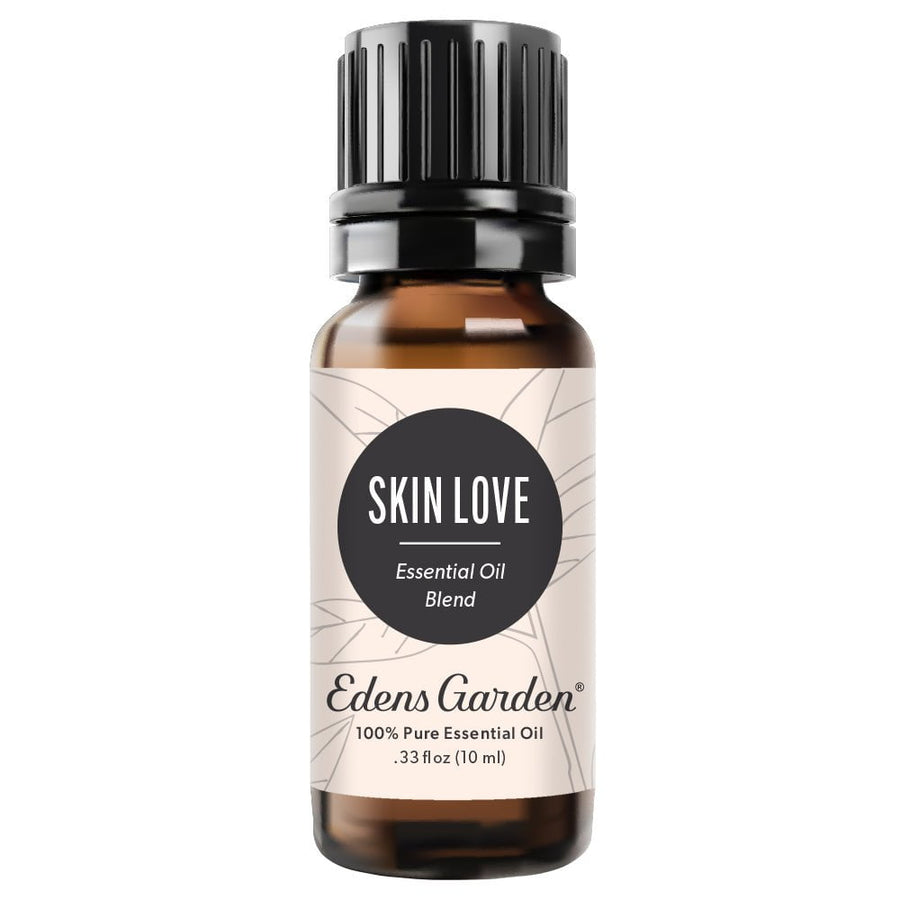
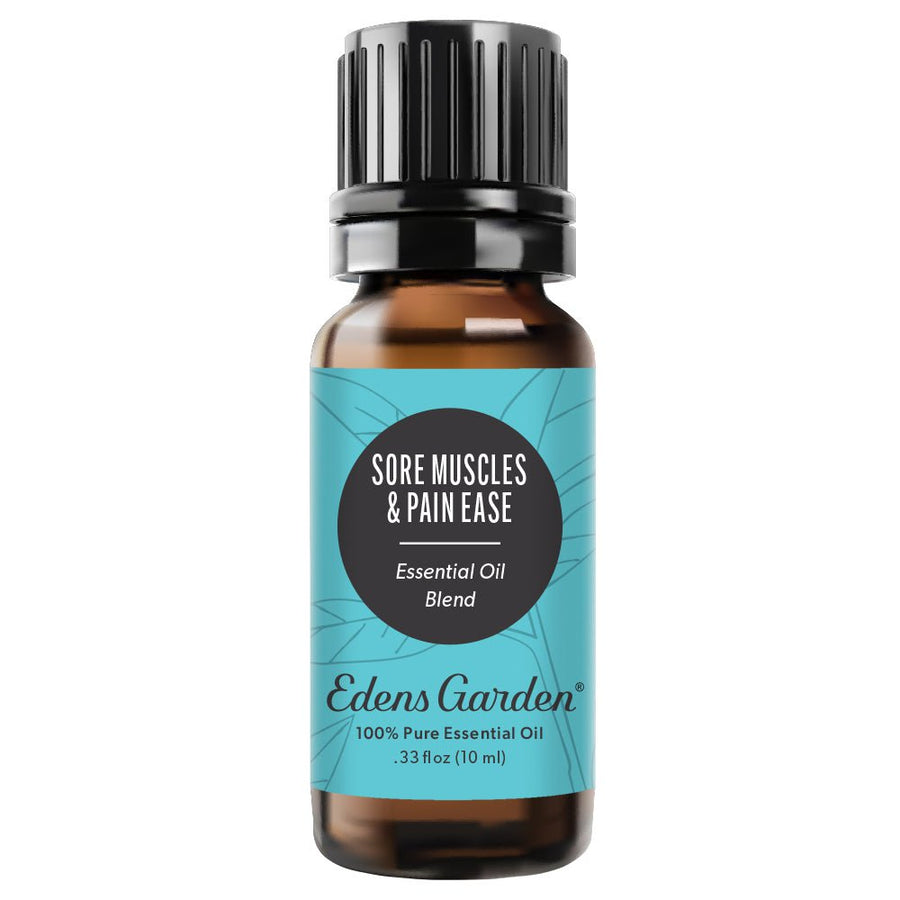
Grab The Essentials Here:
About the Author, Bella Martinez
Bella Martinez is a Certified Aromatherapist, Natural Skincare Formulator and Edens Garden’s lead aromatherapist. An industry expert, Bella has spent years training and learning in the aromatherapy field, which she continues annually. Her passion is taking evidence-based aromatherapy and making it approachable for all.

Leave a comment (Comments will be approved before showing up)
1 comment
J N IYITOR
March 19, 2025 at 8:22 am
Thank you so much for this,it’s truly appreciated and thumbs up 👍. Never knew all these before now. Thanks.