

DIY | Natural Non-Toxic Prebiotic Deodorant

If you’re looking for a natural deodorant alternative, making your own with Essential Oils can be a simple way to create a homemade deodorant that combines plant-based ingredients with a pleasant aroma. Unlike antiperspirants, which are formulated to reduce sweating, natural deodorants are primarily designed to help manage underarm odor while allowing your body to sweat naturally.
Making your own DIY natural deodorant also gives you control over the ingredients. With nourishing butters, Carrier Oils, moisture-absorbing powders, and Essential Oils, you can create an aluminum-free deodorant tailored to your preferences.
However, Essential Oils are highly concentrated and should always be properly diluted for topical use. Skin sensitivity varies from person to person, so it's important to patch test homemade products and discontinue use if irritation occurs.
Natural Deodorant vs. Antiperspirant
First, it helps to understand the difference between deodorant and antiperspirant.
Antiperspirants are designed to reduce perspiration. Aluminum-based compounds are the active ingredients commonly used for this purpose and work by temporarily blocking sweat from reaching the skin's surface. Deodorants, on the other hand, are intended primarily to control or mask body odor and don't necessarily prevent sweating.
Concerns about aluminum in antiperspirants have circulated for years, particularly regarding breast cancer.[1] For those who prefer an aluminum-free deodorant, a DIY natural deodorant can be a great alternative.
Why Use Essential Oils in Natural Deodorant?
Essential Oils are concentrated aromatic extracts from plants. In addition to providing a naturally derived aroma, some Essential Oils have demonstrated antimicrobial activity in laboratory and formulation studies.
Tea Tree, Lavender, Lemon, Eucalyptus, and Cypress essential oils are popular choices for homemade deodorant because of their fresh, clean aromas and their history of use in personal care. Research has also investigated the antimicrobial properties of Essential Oils such as Tea Tree, Lavender, and Lemon.
Tea Tree essential oil, for example, contains constituents such as terpinen-4-ol that have been studied for antimicrobial properties. Lavender Essential Oil has also demonstrated activity against certain microorganisms, although results can vary depending on the oil's chemical composition and concentration.
This makes Essential Oils an interesting ingredient for natural deodorant recipes, but they should not be viewed as a substitute for clinically proven treatments or as a guarantee of eliminating body odor.
What Does Research Say About Aluminum and Alzheimer's Disease?
Some researchers have investigated whether aluminum exposure could play a role in the development of Alzheimer's disease. Proposed mechanisms include oxidative stress, effects on amyloid proteins, and disruption of cellular processes in the brain.[2][3]
Best Essential Oils for Natural Deodorant
When choosing Essential Oils for homemade deodorant, consider both their aroma and their intended cosmetic use.
- Tea Tree Essential Oil: Fresh, herbaceous, and traditionally used in personal care formulations.
- Lavender Essential Oil: Soft, floral, and versatile with a clean aroma.
- Lemon Essential Oil: Bright, fresh, and uplifting.
- Eucalyptus Essential Oil: Crisp and invigorating.
- Cypress Essential Oil: Woody, green, and refreshing.
- Pink Lotus Sands: A beautiful floral blend that creates a soft, elegant aroma for a more luxurious natural deodorant.
DIY Natural Deodorant Spray Recipe
Ready to make your own homemade natural deodorant? This simple recipe combines moisturizing skin-conditioning glycerin, odor-stopping prebiotics, and Essential Oils to keep you fresh-smelling.
What You’ll Need:
- 1¾ oz Distilled Water
- 1 tsp Vegetable Glycerin
- ½ tsp Natural Solubilizer (such as caprylyl/capryl glucoside)
- 25 drops of a Liquid Prebiotic
-
Essential Oil Blend: (Alternatively, try 12 drops of Pink Lotus Sands)
- 4 drops Lavender oil
- 4 drops Cypress oil
- 4 drops Tea Tree oil
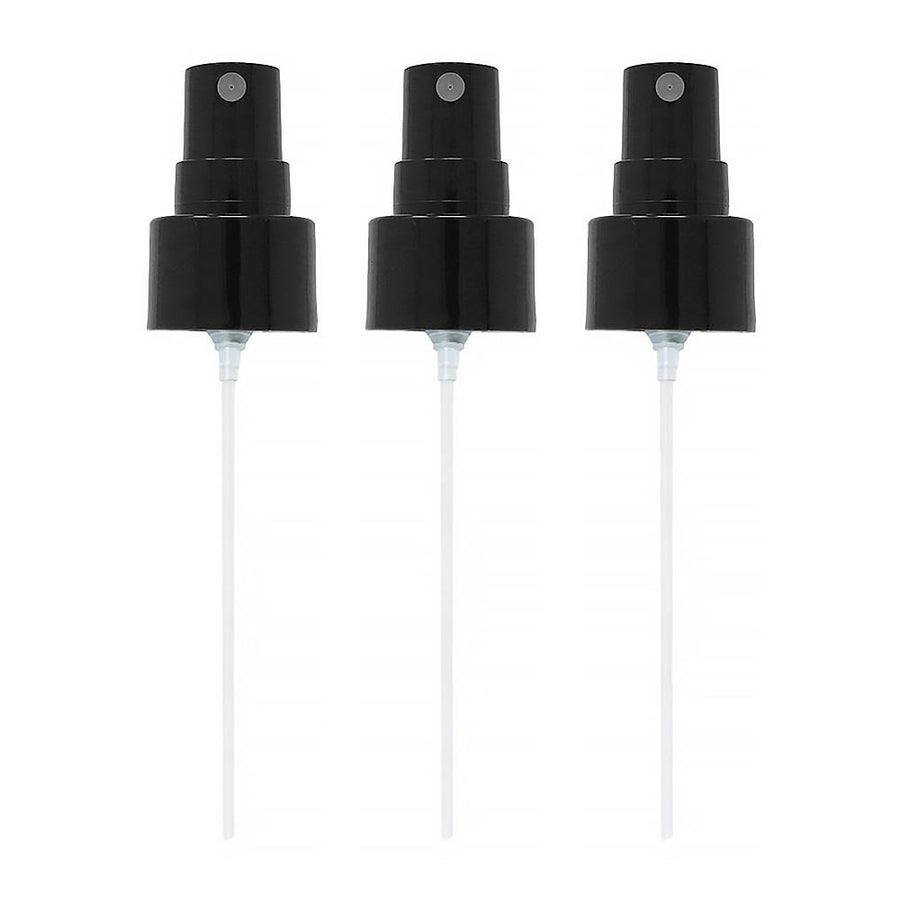
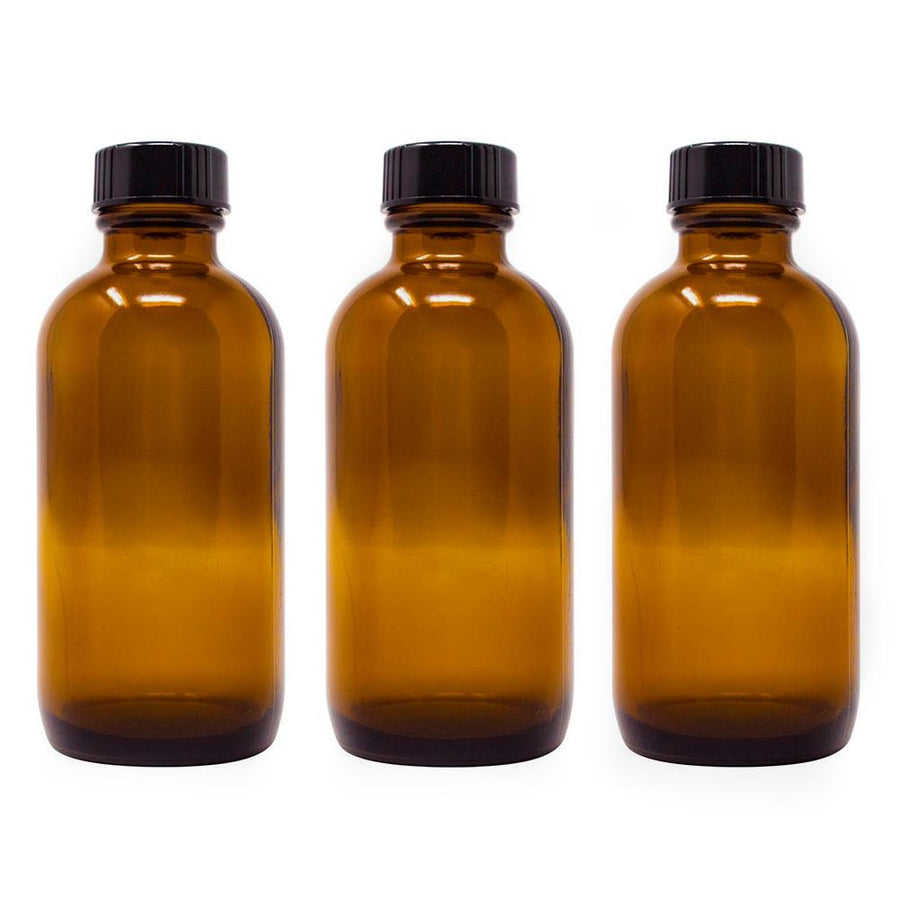
- 2 oz Glass Spray Bottle
How to Make DIY Natural Deodorant
Let me show you how easy it is to make your own natural deodorant.
How To:
- To a 2 oz Glass Spray Bottle, add ½ tsp of Natural Solubilizer and 12 drops of Essential Oil.
- Combine well, then add 1¾ oz distilled water and 1 tsp Vegetable Glycerin.
- Lastly, add 25 drops of a Liquid Prebiotic.
- Shake well before each use and store in the fridge to extend its shelf life.
- Optionally, add a natural preservative to further extend the shelf life of your deodorant.
DIY Natural Deodorant Paste Recipe
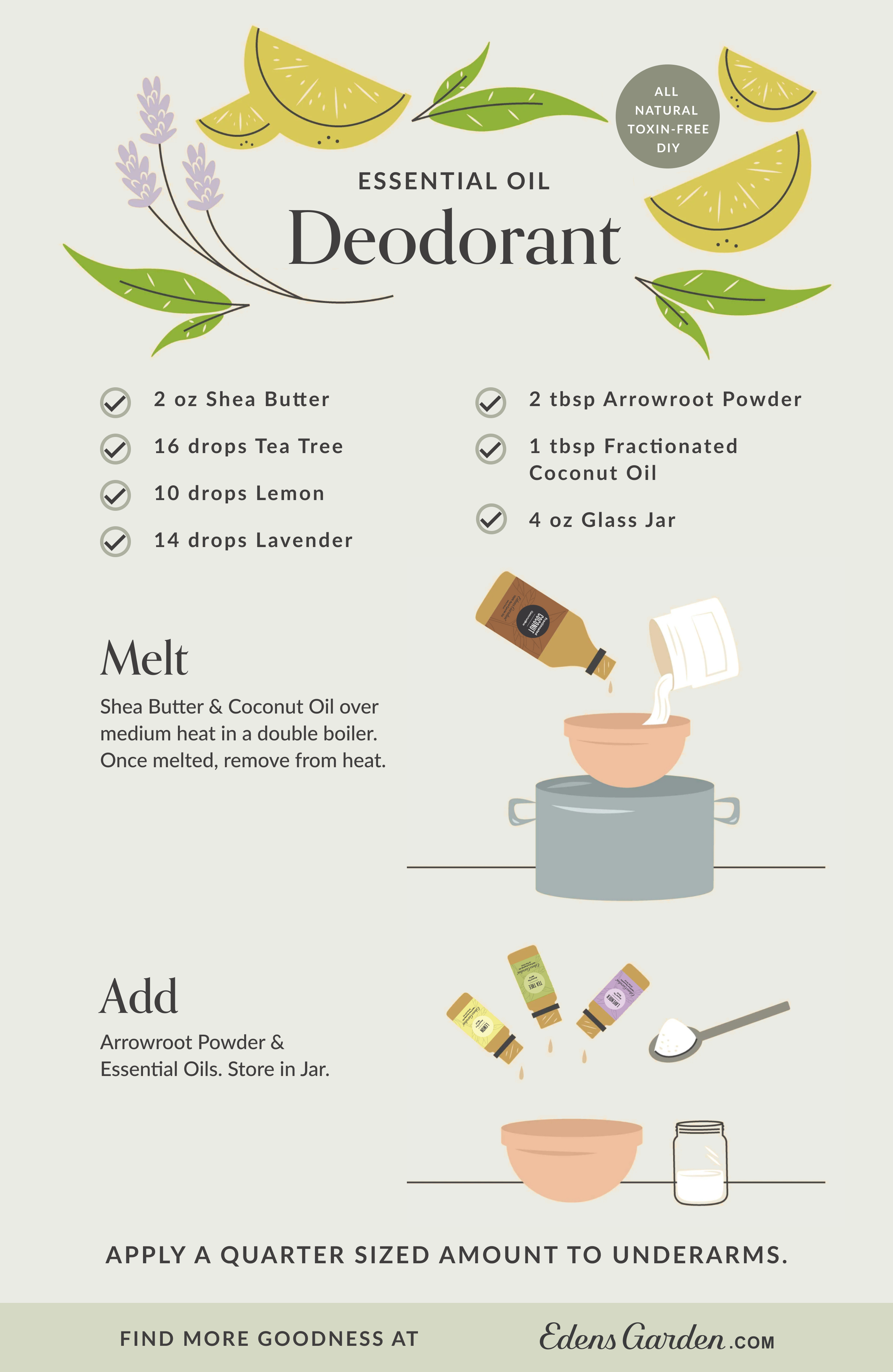
Prefer a deodorant paste? This simple DIY blends skin-nourishing Shea Butter with lightweight carrier oils like Jojoba and Fractionated Coconut Oil for a smooth, easy-to-apply formula.
Jojoba closely resembles the skin’s natural sebum, making it a nourishing addition to homemade skincare. Lightweight and virtually odorless, Fractionated Coconut Oil absorbs easily without leaving a heavy, greasy feel. Together with Shea Butter, they create a rich, creamy base that glides onto skin and makes this DIY deodorant a pleasure to use.
What You’ll Need:
- 2 oz Shea Butter
- 2 Tbsp Arrowroot Powder
- 1 Tbsp Jojoba or Fractionated Coconut carrier oil
- 16 drops of Tea Tree essential oil
- 14 drops of Lavender essential oil
- 10 drops of Lemon- Steam Distilled essential oil
- 4 oz Glass Jar or Cardboard Tube
How To:
- In a double boiler, melt Shea Butter over medium heat, then stir in Carrier Oil.
- Once melted, remove from heat and whisk in the Arrowroot Powder and Essential Oils.
- Transfer to a 4 oz Glass Jar and let cool.
- For application, apply a quarter-sized amount to the underarms.
Make the Switch to Natural Deodorant
Switching to a natural deodorant doesn't have to mean sacrificing an enjoyable aroma or luxurious skin feel. With simple, plant-based ingredients, prebiotics, and Essential Oils, you can create a homemade deodorant that's easy to customize.
Whether you're searching for an aluminum-free deodorant, exploring Essential Oils for deodorant, or simply want to try a DIY personal-care project, making your own natural deodorant is a fun place to start.
At Edens Garden, we believe Essential Oils can bring the beauty of plants into everyday routines. From DIY deodorant and body oils to natural perfumes and other homemade personal-care products, explore new ways to incorporate Essential Oils into your self-care ritual.
SOURCES:
- “Link between Aluminum and the Pathogenesis of Alzheimer's Disease: The Integration of the Aluminum and Amyloid Cascade Hypotheses.” PMC / National Library of Medicine. Read the full study
- American Cancer Society. “Antiperspirants and Breast Cancer Risk.” The ACS reviews available evidence regarding antiperspirants, aluminum compounds, and breast cancer risk and notes that research has not established a link between aluminum-containing antiperspirants and breast cancer. Read the American Cancer Society article
- Tomljenovic, L. (2011). “Aluminum and Alzheimer's disease: after a century of controversy, is there a plausible link?” Journal of Alzheimer's Disease, 23(4), 567–598. doi: 10.3233/JAD-2010-101494. Read the study on PubMed
Grab The Essentials Here:

About the Author, Annie Mascia
Annie Mascia has been a Certified Aromatherapist since 2013 with training in various modalities ranging from internal use and component blending techniques to teacher training. She works as an Aromatic Consultant and Licensed Massage Therapist in NYC. Along with aromatherapy, Annie’s passionate about herbs, gardening, making incense and her family.

Leave a comment (Comments will be approved before showing up)
5 comments
Edens Garden
Hi Gretchen! We recommend shopping for shea butter from a cosmetic ingredient supplier. If they can provide you with a COA or Safety Data Sheet and answer questions about where the product was sourced from, that’s a good sign! Happy DIYing.
Edens Garden
Hi Janet! There are plenty of alternatives to Tea Tree that you can use in this recipe, such as Manuka, Balm Mint Bush, Cajeput, or Eucalyptus. Hope that helps!
Gretchen Curtis
Thanks for the helpful article! Where do you get high quality shea butter?
Janet
Is there an alternative to Tea Tree Oil for making deodorant? I take homeopathic remedies and cannot use Tea Tree. Thanks.

Kelli
July 10, 2024 at 1:26 pm
Thank you for the article and recipe. I was wondering what butter you would use in place of shea, which gives me a rash. I have olive and kokum butter on hand, but have not yet used either in deodorant. Thinking the kokum might work better since it is harder. Thank you!