

Myth: Essential Oils Expire Quickly

When you invest in high-quality Essential Oils, every drop matters. From delicate florals to grounding woods, it takes an incredible amount of plant material to produce a single bottle. For example, creating Jasmine absolute requires millions of blossoms for just one kilogram of oil. That’s why understanding Essential Oil shelf life, proper storage, and oxidation is key to getting the most out of your collection.
The truth? Essential Oils don’t “expire quickly” when stored properly. With the right care, many oils can maintain their potency, aroma, and therapeutic benefits for years.
Do Essential Oils Expire?
Let’s clear up the myth: Essential Oils don’t expire in the same way food does. Instead, they gradually oxidize, which can alter their aroma, chemical composition, and effectiveness over time.
While some oils have a shorter lifespan, others can actually improve with age, much like fine wine.
What Causes Essential Oils to Degrade?
The biggest threat to your oils isn’t time. It’s environmental exposure. Four main factors impact Essential Oil longevity:
1. Oxygen (Oxidation)
When Essential Oils are exposed to air, oxidation begins. This chemical reaction can change the oil’s aroma and reduce its therapeutic properties.
2. Light (UV Exposure)
Direct sunlight breaks down delicate compounds in Essential Oils, especially citrus oils. This is why most oils are packaged in amber or cobalt bottles.
3. Heat
High temperatures accelerate degradation. Storing oils near stoves, windows, or in hot cars can significantly shorten their lifespan.
4. Moisture
Water contamination can lead to spoilage or microbial growth, especially in improperly sealed bottles.
Which Essential Oils Have a Shorter Shelf Life?
Not all Essential Oils are created equal when it comes to longevity. Oils rich in monoterpenes, like citrus oils, are more prone to oxidation.
Examples include:
- Lemon essential oil
- Sweet Orange essential oil
- Grapefruit essential oil
These typically last 1–2 years.
On the other hand, oils rich in sesquiterpenes and monoterpenols tend to last longer:
-
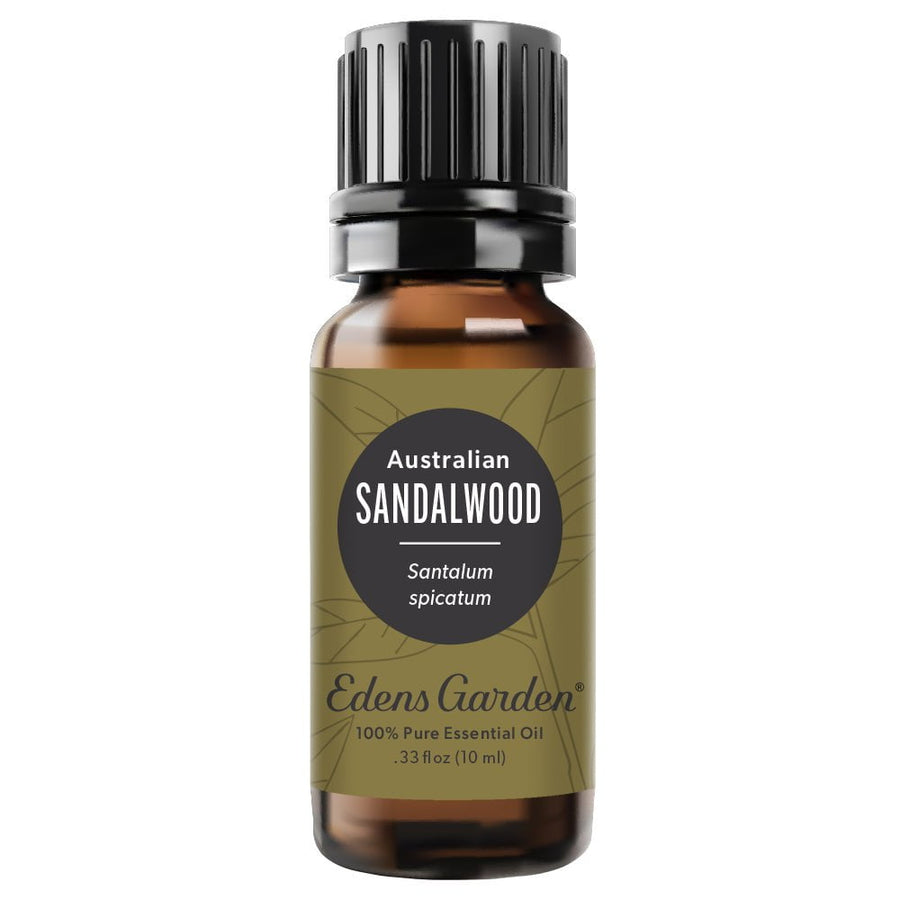
Sandalwood essential oil
-
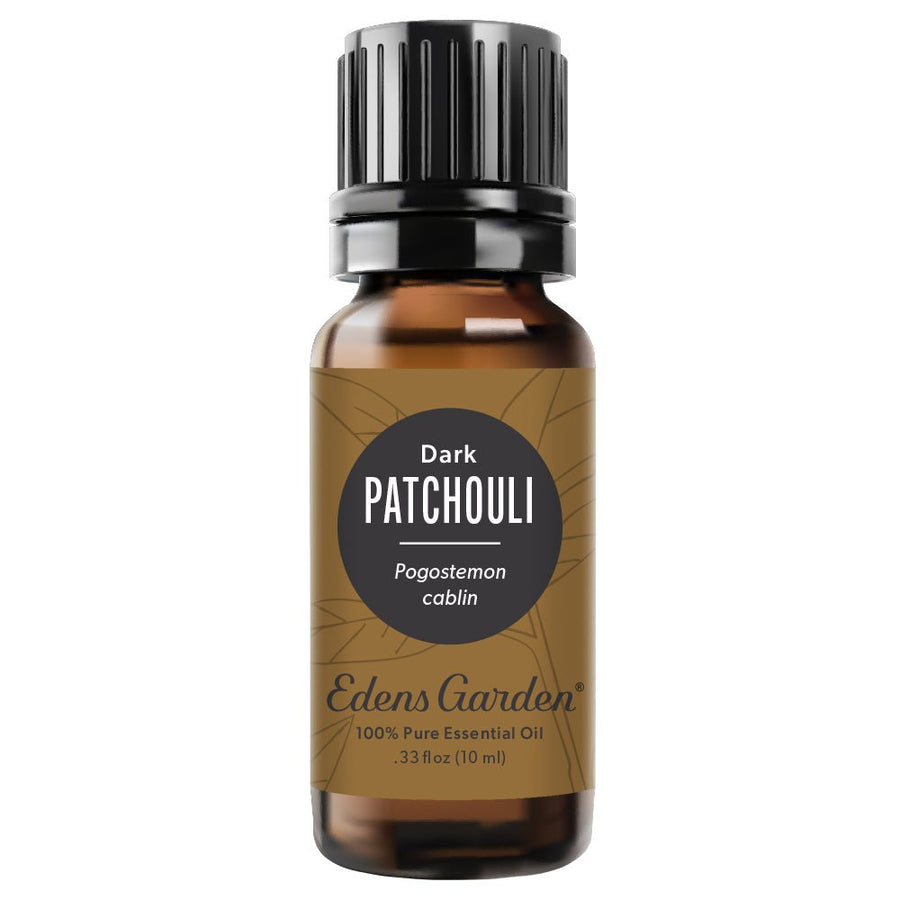
Patchouli essential oil
These oils can last 4–8 years or more when stored correctly, and may even develop deeper, richer aromas over time.
How to Store Essential Oils Properly
If you want to extend the life of your Essential Oils and preserve their potency, proper storage is everything.
Best Practices for Essential Oil Storage
1. Keep Oils Cool: Store oils in a cool, stable environment. Refrigeration is one of the best ways to extend shelf life, especially for citrus oils.
2. Avoid Direct Sunlight: Always keep oils in dark glass bottles and away from windows or UV exposure.
3. Store in a Dry Place: Humidity can compromise oil quality. Avoid storing oils in bathrooms where moisture levels fluctuate.
4. Use Airtight Containers: Make sure caps are tightly sealed after every use to prevent oxygen exposure.
5. Consider Smaller Bottles: As your oil level decreases, transferring it to a smaller bottle can reduce the amount of oxygen inside, helping slow oxidation.
6. Use Storage Solutions: Essential Oil storage boxes, drawers, or carrying cases can help protect oils from light and temperature changes while keeping your collection organized.
Pro Tips to Extend Essential Oil Shelf Life
Want to keep your oils fresh even longer? Follow these expert tips:
- Buy only what you’ll use within a reasonable timeframe
- Label your bottles with purchase or open dates
- Avoid contamination by keeping droppers clean
- Keep lids tightly closed to prevent evaporation
- Store carrier oils in the fridge to prevent rancidity
What to Do With Older Essential Oils
If you’re wondering whether old Essential Oils are still usable, the answer is often yes, with a few adjustments.
Even if an oil has oxidized slightly, it can still be used for:
- Household cleaning sprays
- Laundry freshening
However, avoid using oxidized oils on sensitive skin, as they may cause irritation.
The Bottom Line
The idea that Essential Oils expire quickly is a common misconception. While all oils are subject to natural oxidation, proper storage can dramatically extend their shelf life.
By protecting your oils from heat, light, oxygen, and moisture, you can enjoy their aroma and benefits for years to come. Whether you’re using oils for aromatherapy, natural cleaning, or DIY beauty, understanding how to store Essential Oils properly ensures you get the most out of every bottle.
At Edens Garden, we believe in maximizing the value, purity, and longevity of every Essential Oil, because when oils are cared for correctly, they remain a powerful part of your natural wellness routine.
Grab The Essentials Here:

About the Author, Bella Martinez
Bella Martinez is a Certified Aromatherapist, Natural Skincare Formulator and Edens Garden’s lead aromatherapist. An industry expert, Bella has spent years training and learning in the aromatherapy field, which she continues annually. Her passion is taking evidence-based aromatherapy and making it approachable for all.

Leave a comment (Comments will be approved before showing up)
1 comment

Nancy
April 20, 2026 at 10:48 am
Thank you Bella for sharing, you study and take in the knowledge and freely pass it on to all who want it. I super duper appreciate all your sharing and caring. Nancy