

Myth: ‘Therapeutic Grade’ Is A Real Certification

We’ve been asked throughout the years what “grade” our Essential Oils fall under. Many people search for terms like therapeutic grade essential oils, certified pure essential oils, or pharmaceutical grade essential oils when shopping for aromatherapy products. It’s understandable, because when you’re investing in pure Essential Oils for aromatherapy, wellness, and natural living, you want to know you’re getting the highest quality.
But here’s the truth: Essential Oils are not graded by any universal regulatory system. Unlike many consumer products, the Essential Oil industry is largely unregulated, which leads to confusion about phrases like therapeutic grade, aromatherapy grade, or food-grade essential oils.
So, where did the idea of Essential Oil grading come from? Read on to learn more.
Is There a Grading System for Essential Oils?
Many websites describe Essential Oils as if they fall into specific grades. For example, one source categorizes oils like this:
Therapeutic Grade Essential Oil (Grade A)
This description claims the proper plant part is distilled to produce an oil. In this explanation, only the chemical composition is considered (not the aroma) to produce therapeutic essential oils.
Food Grade Essential Oil (Grade B)
Some websites claim this grade may be diluted with carrier oils or other ingredients to enhance flavor or aroma for culinary use.
Perfume Grade Essential Oil (Grade C)
These oils are described as similar to food-grade oils but used primarily for fragrance applications, such as perfumes or scented products, and typically not recommended for ingestion.
While these categories may sound authoritative, they are not recognized by any official organization or governing body.
Who Grades Essential Oils?
The truth is simple: no organization officially grades essential oils.
There is no global authority, government agency, or independent certifying body that assigns “grades” to essential oils.[1] That means terms like therapeutic grade essential oil or aromatherapy grade oil are marketing phrases rather than verified certifications.
For example, the phrase Certified Pure Therapeutic Grade (CPTG) is actually a trademark owned by a single essential oil company. Because it’s trademarked, no other company can use it, even if their oils meet the same quality standards.
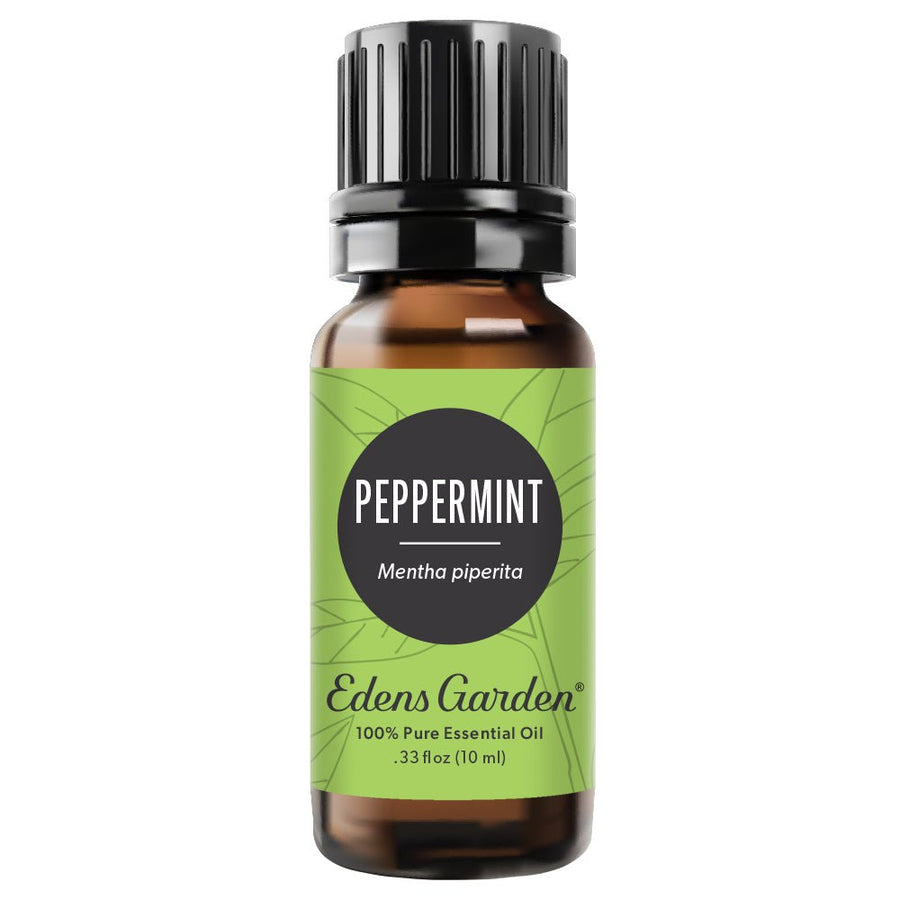
Another common misconception relates to food-grade essential oils. Some believe oils like Peppermint essential oil or Lemon essential oil are certified as food grade by the FDA because they appear on the Generally Recognized as Safe (GRAS) list.[2]
However, the FDA does not individually test every essential oil on the GRAS list. Instead, the designation means these substances are generally recognized as safe when used as flavoring agents in very small quantities. It does not mean the oils themselves have been graded or certified for therapeutic or medicinal use.
In other words, essential oil grades are not official standards. They’re marketing language used by individual brands or distributors.
How to Ensure Your Essential Oils Are High Quality
If you can’t rely on essential oil grades, how can you determine whether an oil is pure, authentic, and high quality?
Here are a few important things to look for when choosing premium essential oils for aromatherapy and wellness.
Testing
One of the most reliable indicators of quality is GC/MS testing (Gas Chromatography-Mass Spectrometry). This test analyzes the chemical composition of an essential oil, verifying its purity and identifying potential adulteration.
Reputable companies should provide batch-specific GC/MS reports reviewed by trained professionals, such as essential oil chemists or certified aromatherapists.
Labeling
Transparent labeling is another key indicator of quality. A trustworthy essential oil label should include:
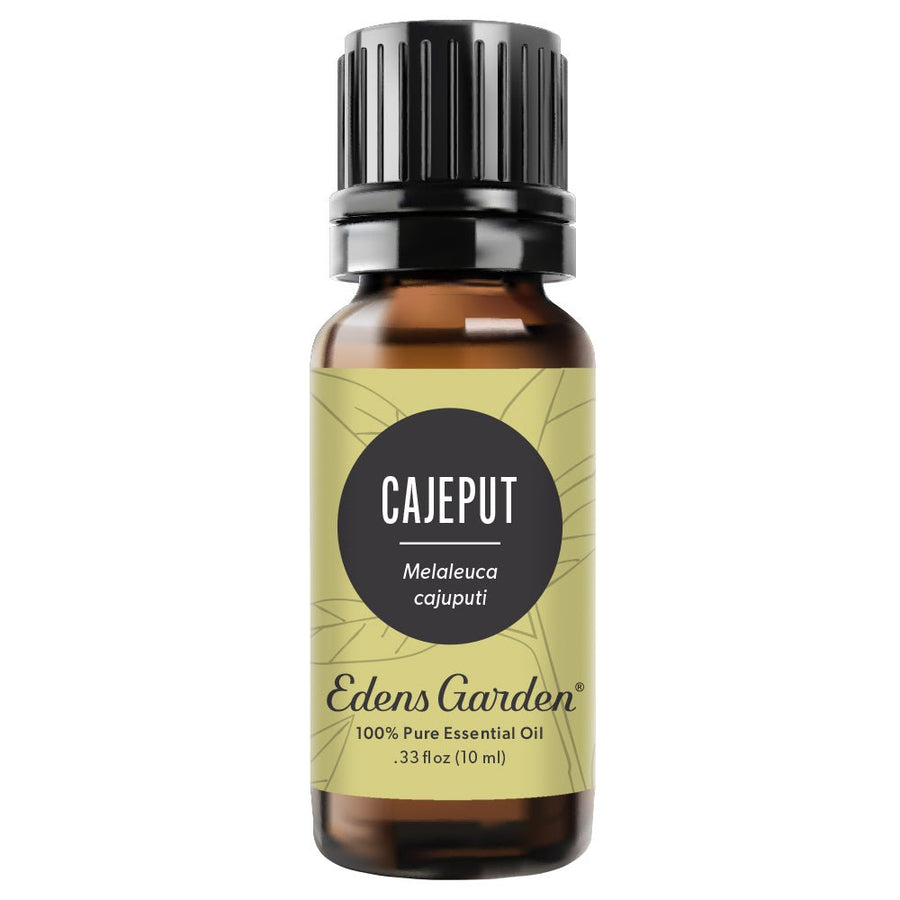
- The common name (for example, Cajeput)
- The botanical name (Melaleuca cajuputi)
- The country of origin or sourcing information
- Proper safety guidelines for aromatherapy use
Botanical names are especially important because they help identify the exact plant species used to produce the oil.
Characteristics
Each essential oil has its own natural aroma, color, and consistency. Learning these characteristics can help you recognize authentic oils.
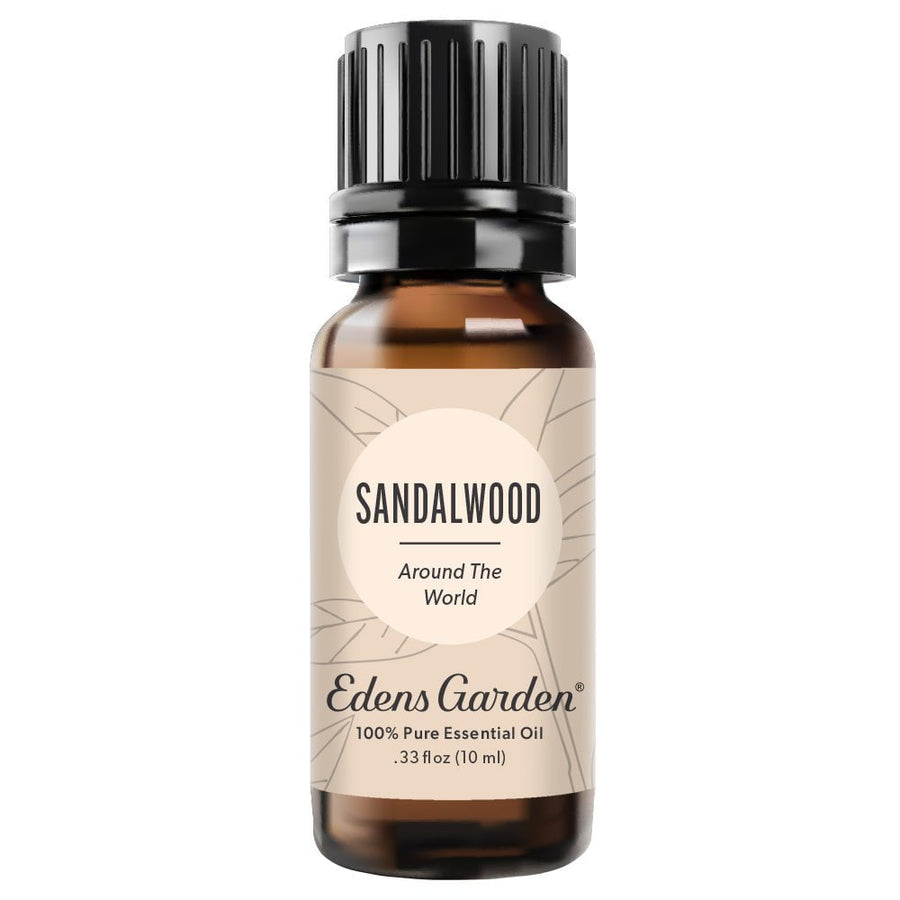
For example, Sandalwood essential oil is typically thicker and more viscous than many other oils. If a Sandalwood oil appears extremely thin or watery, it may be diluted or synthetic.
Purity
Once you gain experience with essential oils, it becomes easier to distinguish pure essential oils from synthetic fragrance oils. Many candles, body sprays, and household fragrances contain synthetic aroma chemicals.
Comparing the scent of a pure essential oil to synthetic fragrances can help you recognize the difference between natural plant extracts and artificial scents.
Longevity
A company’s experience and reputation can also be helpful indicators of quality. Brands that have been in business for 10 or more years often have established relationships with distillers and growers, allowing them to source authentic essential oils from trusted farms worldwide.
That said, longevity alone doesn’t guarantee quality, but it can be one factor to consider when choosing a brand.
The Edens Garden Standard
We can’t talk about essential oil grades without being transparent about our own use of the term “therapeutic grade essential oil.”
In the early years of Edens Garden, and even today, we recognized that many aromatherapy users associated the phrase therapeutic grade oils with pure, high-quality essential oils suitable for wellness and aromatherapy. That’s exactly what we’ve always aimed to provide.
For us, therapeutic grade isn’t an external certification. It’s an internal quality standard that reflects our commitment to producing pure essential oils with uncompromising transparency and integrity.
At Edens Garden, our essential oils undergo multiple forms of quality control testing, including:
- GC/MS testing to verify chemical composition
- Specific gravity analysis
- Refractive index testing
- Organoleptic evaluation (testing by aroma experts)
We also prioritize sustainable sourcing, partnering with farms and distilleries around the world that practice ethical harvesting and environmentally responsible production.
Ultimately, our goal is simple: to provide pure essential oils you can trust, backed by transparency, testing, and a passion for natural wellness.
SOURCES:
- Buyers Beware: Therapeutic Grade Essential Oils. https://www.aromaweb.com/articles/therapeuticgradeessentialoils.asp
- USFDA. Generally Recognized as Safe (GRAS). https://www.fda.gov/food/food-ingredients-packaging/generally-recognized-safe-gras
Grab The Essentials Here:
About the Author, Bella Martinez
Bella Martinez is a Certified Aromatherapist, Natural Skincare Formulator and Edens Garden’s lead aromatherapist. An industry expert, Bella has spent years training and learning in the aromatherapy field, which she continues annually. Her passion is taking evidence-based aromatherapy and making it approachable for all.

Leave a comment (Comments will be approved before showing up)
2 comments
Anna Maria McCorry
Where I live, many people allow their animals (especially cats) roam freely. I need a non poison way to keep pest like ants out of the house without harming the animals or children. I also need something to keep squirrels out of my garden. Do you have advise?

Edens Garden
May 24, 2022 at 9:17 am
Hi Anna! This is a difficult one to answer because many squirrel-deterrent suggestions can also deter cats. If you don’t mind deterring both squirrels and cats, you could add some crushed garlic to your garden. For ants, you could put Peppermint oil on cotton balls and place them in your windowsill or areas where ants may get in.