

Myth: Vanilla Is An Essential Oil

When choosing between Vanilla oils, there’s one big misconception to clear up: Vanilla isn’t actually an Essential Oil.
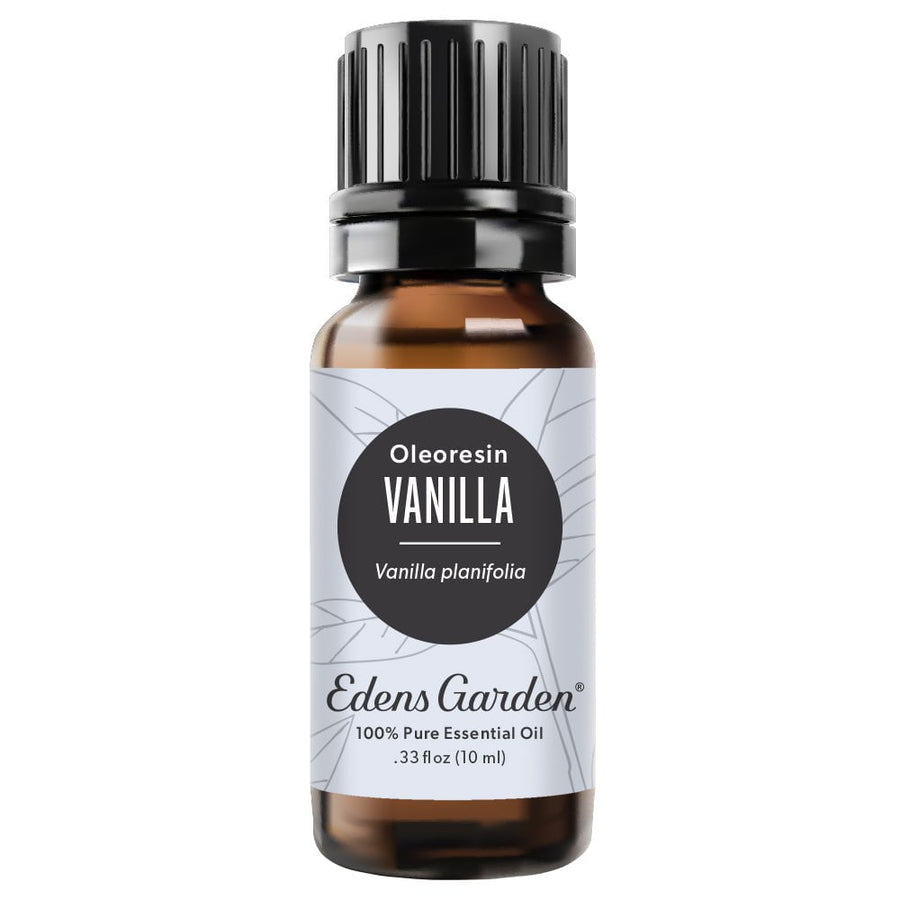
Unlike Lavender, Tea Tree, or Eucalyptus, Vanilla cannot be steam distilled. That means what you’re really buying isn’t a traditional Essential Oil. It’s either a CO2 extract or an absolute (sometimes referred to as an oleoresin).
So what does that mean for your wellness routine, your diffuser blends, or your DIY skincare? And more importantly, which one should you choose?
In this guide, we’ll break down Vanilla CO2 vs Vanilla Absolute, bust common myths, and help you confidently choose the best Vanilla oil for your needs.
“Vanilla Essential Oil” Doesn’t Actually Exist
Here’s the truth:
Vanilla beans don’t yield Essential Oil through steam distillation.
Because of this, Vanilla must be extracted using alternative methods to capture its iconic warm, sweet aroma and therapeutic benefits. These methods produce two main types of Vanilla used in aromatherapy:
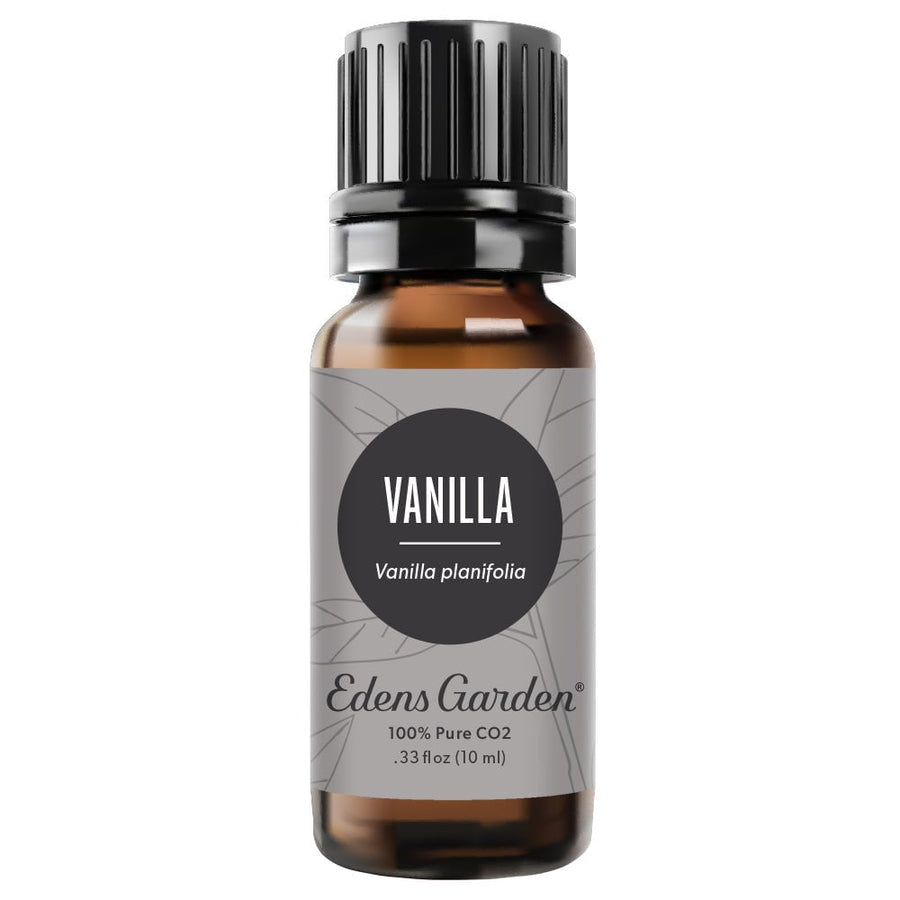
- Vanilla CO2 extract
- Vanilla Absolute (or oleoresin)
Understanding how these are made is the key to understanding how they perform.
Methods Of Obtaining Vanilla Oils
Different extraction methods create oils with unique chemical compositions, aromas, viscosities, and uses. If you’ve ever wondered why one Vanilla smells richer or costs more, this is why.
CO2 Extraction (Vanilla CO2 Extract)
CO2 extraction uses supercritical carbon dioxide to gently pull aromatic compounds from Vanilla beans.
In this process, CO2 is pressurized until it behaves like both a gas and a liquid. This allows it to act as a clean, highly efficient solvent. Once extraction is complete, the CO2 evaporates completely, leaving behind a pure, solvent-free extract.
Why it matters for aromatherapy:
- Preserves delicate aromatic compounds
- Creates a more true-to-plant aroma
- Leaves no solvent residue
- Produces a high-quality, full-spectrum Vanilla extract
This is why people searching for the best vanilla oil for perfume making or a natural vanilla fragrance oil alternative often opt for CO2 extracts.
Solvent Extraction (Vanilla Absolute)
Vanilla Absolute is created using a natural solvent like ethanol to extract aromatic compounds from the bean.
After extraction, the solvent is carefully removed, leaving behind a concentrated aromatic substance known as an absolute.
Why it matters:
- Produces a rich, creamy Vanilla aroma
- More affordable than CO2 extracts
- Commonly used in natural perfumery and DIY blends
However, unlike CO2 extraction, this method may leave behind trace solvent residues if not handled meticulously. This is one reason CO2 extracts are often considered more “pure” in aromatherapy circles.
Vanilla CO2 vs Vanilla Absolute: What’s The Difference?
Now that you understand how they’re made, let’s compare Vanilla CO2 vs Vanilla Absolute side by side so you can decide which is right for your needs.
Price
Let’s address a commonly asked question: Why is Vanilla oil so expensive?
There’s a good reason for this.
- Vanilla is one of the most labor-intensive crops in the world
- It requires hand pollination
- Crop shortages and global demand drive prices up
- Large amounts of plant material are needed for a small yield
Because CO2 extraction captures more of the plant’s complex chemistry and requires advanced technology, Vanilla CO2 is typically more expensive than Vanilla Absolute.
Aroma
Aroma is where the biggest difference shows up.
- Vanilla CO2: Deep, rich, warm, and closest to fresh Vanilla beans
- Vanilla Absolute: Sweet, creamy, slightly lighter, and more confectionery-scented
CO2 extracts tend to smell more complex and true-to-nature, while absolutes offer a softer, dessert-like sweetness.
Chemistry
Both Vanilla CO2 and Vanilla Absolute contain vanillin, the primary compound responsible for Vanilla’s signature scent.
- Vanilla CO2: Typically contains a lower percentage of vanillin (closer to the natural bean profile)
- Vanilla Absolute: Often contains a higher concentration of vanillin
This difference impacts not just aroma, but also how each oil behaves in blends and formulations.
Uses & Benefits
Whether you’re exploring Vanilla oil benefits for skin, stress relief, or diffuser blends, both types offer versatile uses:
Shared benefits:
- Promotes relaxation and emotional balance
- Creates a warm, comforting atmosphere
- Enhances natural perfumes and body oils
- Adds sweetness and depth to blends
Key differences:
- Vanilla CO2: Ideal for oil-based applications like perfumes, roll-ons, and skincare oils
- Vanilla Absolute: More flexible in certain formulations and often easier to work with in DIY recipes
Both are excellent choices for natural fragrance, aromatherapy stress relief, and mood-boosting blends.
How To Use Vanilla CO2 & Vanilla Absolute
No matter which you choose, incorporating Vanilla into your routine is simple and incredibly rewarding.
Apply Topically (Diluted)
Vanilla extracts are highly concentrated and should always be diluted with a Carrier Oil before applying to the skin.
Always perform a patch test before full use of new-to-you oils.
Diffuse & Inhale
Looking for cozy Essential Oil Blends?
Add a few drops of Vanilla CO2 or Absolute to your diffuser to create a warm, inviting space that promotes relaxation and emotional comfort.
DIY Skincare & Perfume
Vanilla is a staple in:
- Natural perfumes
- Body oils
- Lotion and cream formulations
- Aromatherapy roll-ons
Its comforting aroma pairs beautifully with oils like Lavender, Sandalwood, citrus oils, and Ylang Ylang.
Vanilla Birthday Cake Diffuser Blend
If you love sweet, uplifting aromas, this blend is a must-try. It’s one of our favorite ways to use Vanilla for a cozy, mood-boosting atmosphere.
Vanilla Birthday Cake Diffuser Blend:
- 3 drops Vanilla CO2 or Absolute
- 2 drops Citrus & Cream Blend
- 1 drop Earth & Wood Blend
- 1 drop Peru Balsam
- 1 drop Ylang Ylang
- 1 drop Vanilla & Sandalwood Blend
Diffuse to create a comforting, bakery-inspired environment that feels both nostalgic and uplifting.
Choosing The Right Vanilla For You
So, between Vanilla CO2 and Vanilla Absolute, which is better?
The answer depends on your goals:
- Choose Vanilla CO2 if you want the most natural, true-to-bean aroma that’s closest to nature
- Choose Vanilla Absolute if you want a budget-friendly, sweet, creamy aroma that’s easy to blend
Either way, you’re getting a powerful aromatic ingredient that supports relaxation, natural perfumery, and emotional wellness.
Find More Aromatherapy Goodness
At Edens Garden, we’re passionate about offering 100% pure, high-quality Essential Oils, CO2 extracts, and absolutes, along with expertly crafted Blends designed to support your wellness naturally.
From rare botanical extracts to everyday favorites, we’re here to help you discover what works best for your routine.
Can’t find what you’re looking for? Let us know! Many of our products are inspired by customer requests.
Grab The Essentials Here:

Leave a comment (Comments will be approved before showing up)
9 comments
Kelly
I keep seeing soap makers calling whatever they are using in their soap “vanilla essential oil” but i know it’s not. My question is what could they possibly be using? I make soap with vanilla stabilizers but the absolute and oleoresin are already brown and just make my white soap creamy brown from the moment I put it in. Please help!
Edens Garden
Hi Greg! There’s no such thing as vanilla essential oil in the sense that essential oils are obtained by steam distillation or cold pressing. Vanilla CO2 and Oleoresin are obtained by CO2 extraction and solvent extraction.
Greg
Why do so many people say there is no such thing as vanilla essential oil?
Shannon
Since both the CO2 and the Oleoresin are made from the same plant, and that plant’s inadequate supply is driving up prices, why aren’t both products similarly priced? Does the CO2 use more plant material? Or, is just that the CO2 is so much more popular that it can command higher prices?
Edens Garden
Hi Geordi! You can learn more about ingesting essential oils here: https://www.edensgarden.com/blogs/news/is-it-safe-to-ingest-essential-oils-1
Edens Garden
Hi Cara! No, Vanilla does not contain linalool.
Geordi Smith
Can either of these be used to flavor food or beverages?
Cara
Do any of the vanillas contain linalool?

Edens Garden
May 2, 2025 at 1:04 pm
Hi Kelly! Vanilla essential oil may refer to the Oleoresin or Absolute–you may want to ask the soapmakers for clarification. Unfortunately, we don’t have a solution for avoiding turning white soap brown when using Vanilla oil. You may want to opt for a rectified, clear vanilla, which we don’t currently offer at the moment.